Cabinet Refinishing vs. Replacement: Which Option Saves You More?
Kitchens and bathrooms are among the most frequented spaces in any home, and the condition of cabinets plays a pivotal role in shaping both aesthetics and functionality. Over time, wear and tear, outdated finishes, or minor damages can make cabinets appear old and less appealing, prompting homeowners to consider a renovation. However, deciding whether to refinish existing cabinets or completely replace them remains a common dilemma. Both options carry distinct advantages, costs, and long-term implications, making the choice far from straightforward. Understanding the nuances of each approach is essential for homeowners who want to enhance their space efficiently without overspending.
Cabinet refinishing, which involves sanding, repairing, staining, or painting existing surfaces, offers a cost-effective alternative to full replacement. In contrast, cabinet replacement entails removing and installing entirely new cabinetry, often providing a complete design overhaul. Evaluating factors such as budget, time, durability, environmental impact, and desired aesthetic outcomes can help homeowners make an informed decision. This blog explores the critical differences between cabinet refinishing and replacement, providing actionable insights, real-world examples, and professional guidance to determine which option truly saves more while delivering long-lasting satisfaction.
1. Understanding Cabinet Refinishing and Replacement
What Is Cabinet Refinishing?
Cabinet refinishing involves carefully restoring existing cabinetry by thoroughly cleaning, sanding, repairing, and applying new paint or stain. This process focuses on surface treatment rather than structural changes, making it an ideal solution for cabinets that are still structurally sound but show significant signs of wear, discoloration, or outdated finishes. Refinishing can also include replacing worn hardware, adjusting misaligned hinges, or performing minor repairs, providing a refreshed, modern appearance without the extensive cost and disruption of full cabinet replacement.
What Does Cabinet Replacement Entail?
Cabinet replacement involves completely removing old cabinets and installing entirely new, customized units. Replacement allows homeowners to change the layout, style, color, or material of their cabinetry, offering much greater design flexibility and long-term value. This approach is typically more expensive due to higher material costs, labor requirements, and the potential need for additional modifications to plumbing, electrical, or countertops. Replacement is ideal for cabinets that are structurally damaged, beyond repair, or when a complete kitchen or bathroom renovation is desired for a fresh, modern look.
Key Differences in Scope
The primary distinction between refinishing and replacement lies in the overall scope and investment required. Refinishing is surface-level, less invasive, and requires fewer resources, while replacement provides a comprehensive transformation, often redefining the entire space’s functionality and aesthetics. Homeowners must carefully weigh budget constraints, time availability, long-term goals, and the desired outcome when deciding between these two strategies for a cost-effective, durable solution.
2. Cost Comparison: Which Option Saves More?
Initial Investment Costs
One of the most significant considerations for homeowners when planning cabinet improvements is overall cost. Cabinet refinishing typically costs 30–70% less than a complete cabinet replacement, offering a more budget-friendly alternative without sacrificing appearance. For example, a kitchen with approximately 20 cabinets may cost between $1,500–$5,000 to refinish, depending on finish quality, labor, and materials, while full replacement could range from $7,000 to $20,000 or more, depending on the type of materials, customization, and installation complexity.
Long-Term Financial Considerations
While refinishing provides lower upfront costs, long-term durability and potential future expenses must also be considered carefully. High-quality cabinet refinishing can extend cabinet life by 10–15 years, whereas replacement cabinets may last 20–30 years depending on the materials used and construction quality. Homeowners should assess whether the short-term savings of refinishing justify potential future costs if refinishing needs to be repeated sooner than a complete replacement would require for long-term durability and investment protection.
Hidden Costs and Value Retention
Cabinet replacement often increases property value more significantly, especially when using modern, premium materials and finishes that appeal to prospective buyers. However, refinishing can also enhance resale appeal if executed professionally, particularly in homes where budget-conscious buyers prioritize functional, attractive cabinets over entirely brand-new units. Understanding these financial nuances and weighing hidden costs helps homeowners determine which option provides better long-term value, balancing aesthetics, quality, and investment outcomes effectively.
3. Time and Labor Considerations
Duration of Cabinet Refinishing
Refinishing cabinets is generally faster and less disruptive than full replacement, making it an attractive option for busy homeowners. Depending on kitchen size, cabinet complexity, and the finish chosen, the process can take anywhere from 3–10 days. This timeframe includes thorough preparation, sanding, minor repairs, priming, painting or staining, and application of protective finishing coats. Refinishing requires minimal disruption to daily home life, making it a practical choice for homeowners seeking a relatively quick, cost-effective refresh without major structural alterations or lengthy project timelines.
Time Required for Cabinet Replacement
Full cabinet replacement is significantly more labor-intensive, complex, and time-consuming, often taking between 2–4 weeks or longer depending on the design and installation requirements. This includes demolition of old cabinets, precise measuring, custom fabrication, careful installation, and final finishing touches. Additionally, coordinating contractors for plumbing, electrical, or countertop modifications can further extend the timeline, creating a more significant temporary disruption in daily household routines and requiring advanced planning to manage the home renovation effectively.
Labor and Expertise Requirements
Cabinet refinishing can be accomplished by skilled painting contractors or DIY-savvy homeowners equipped with proper tools, training, and preparation. Replacement, however, requires professional installation for precision, particularly when using custom or semi-custom cabinetry, ensuring structural integrity, proper alignment, and long-term durability. Choosing the right level of labor expertise is essential for achieving a high-quality outcome, reducing the likelihood of costly mistakes, and ensuring that either refinishing or replacement delivers lasting performance and visual appeal.
4. Aesthetic and Design Flexibility
Design Options with Refinishing
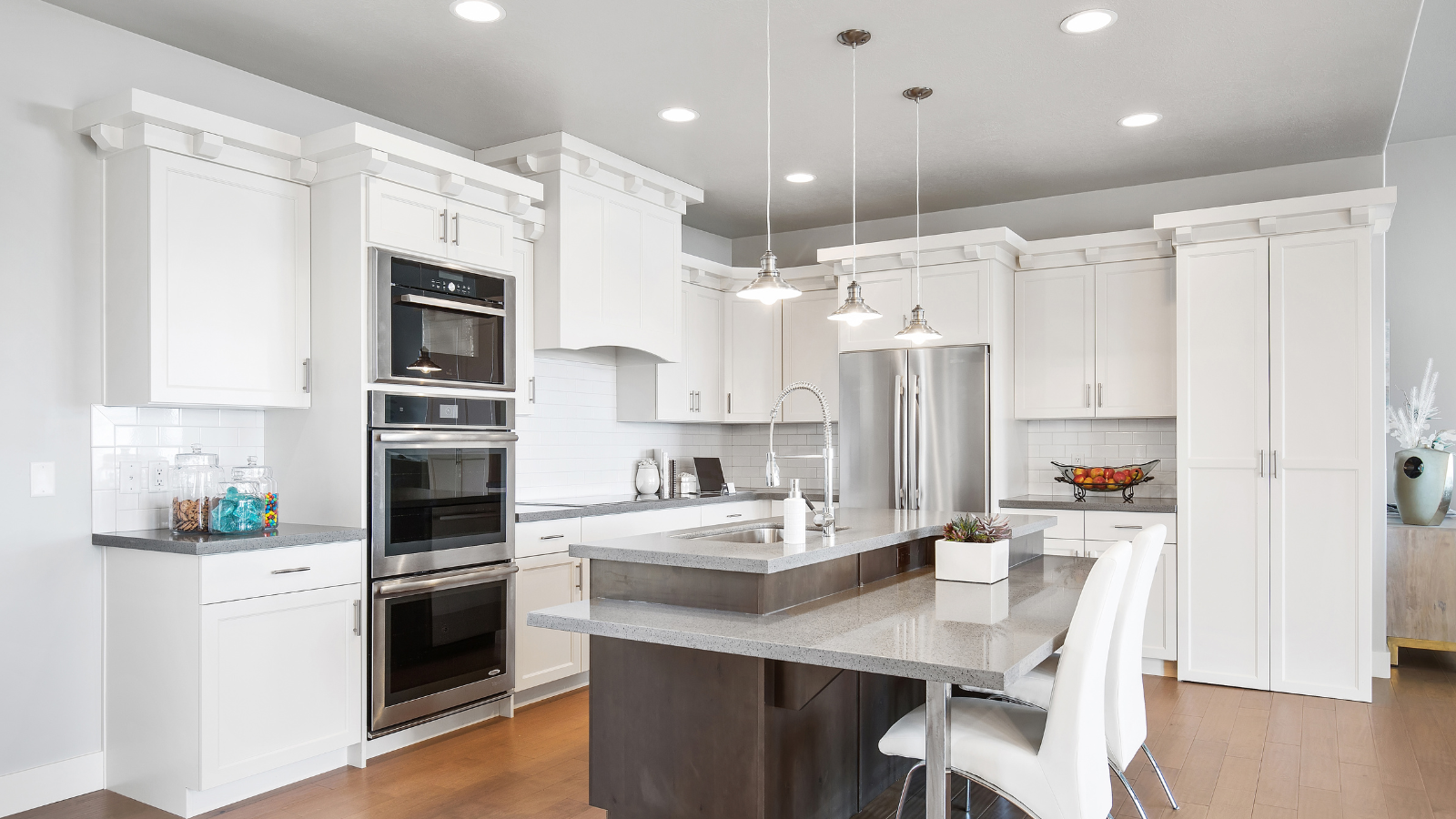
Cabinet refinishing allows homeowners to dramatically change the color, finish, and hardware of existing cabinetry, providing a refreshed, contemporary look without full replacement. Popular trends such as matte finishes, distressed wood, bold painted colors, or multi-tone designs can be achieved while keeping the cabinet layout intact. This approach works best when the existing cabinet structure, quality, and dimensions support the desired aesthetic updates, allowing homeowners to achieve a modern, stylish result without extensive remodeling or significant additional costs.
Design Opportunities with Replacement
Cabinet replacement offers unparalleled flexibility for homeowners looking to modify layout, function, or material choices extensively. Replacement allows for the addition of soft-close drawers, pull-out organizers, expanded storage, or premium materials such as solid wood, quartz-faced cabinets, or high-grade laminate finishes. For those seeking a complete kitchen or bathroom redesign, replacement is often the only option that allows full customization, making it possible to integrate modern trends, maximize space, and create a tailored look that complements the overall design vision of the home.
Balancing Aesthetics and Budget
Deciding between cabinet refinishing and replacement ultimately comes down to balancing desired aesthetics with budget constraints and long-term planning. Refinishing delivers a refreshed, updated look at a fraction of the cost, while replacement offers complete design freedom but comes with a higher upfront price. Considering future resale value, personal taste, lifestyle needs, and long-term usability helps homeowners determine the optimal approach for achieving both visual appeal and practical functionality in their space.
5. Durability and Maintenance
Longevity of Refinished Cabinets
Properly refinished cabinets can remain durable, functional, and visually appealing for 10–15 years with regular care and maintenance. Key factors influencing longevity include using high-quality paint, stain, and topcoats, as well as addressing any moisture, heat, or wear-related damage promptly. It is important to note that refinishing does not strengthen structural weaknesses, so underlying issues such as warped doors or damaged frames must be repaired before refinishing to ensure lasting results and prevent future deterioration or the need for additional corrective work.
Lifespan of Replacement Cabinets
Replacement cabinets offer longer-term durability and structural integrity, particularly when constructed from solid wood, high-grade plywood, or premium laminate materials designed to withstand moisture, heat, and daily wear. These cabinets often last 20–30 years or more with proper care. Replacement also provides the opportunity to install modern features such as reinforced shelving, soft-close mechanisms, and enhanced hardware, improving usability, longevity, and overall functionality while reducing the likelihood of future maintenance issues compared to refinished cabinetry.
Maintenance Considerations
Refinished cabinets may require occasional touch-ups over time, especially in high-traffic areas, busy kitchens, or homes with children and pets. Replacement cabinets generally require less frequent maintenance due to their robust construction but may involve higher costs if a panel, hinge, or other component requires repair or replacement. Understanding the maintenance demands of each option helps homeowners plan for long-term care, ensuring that cabinets remain both attractive and functional throughout their expected lifespan.
Precision Cabinet Refinishing Backed by Decades of Experience
Choosing between cabinet refinishing and replacement involves evaluating cost, time, aesthetics, durability, and environmental considerations. Refinishing provides a cost-effective, sustainable way to refresh existing cabinets, delivering a modern look with minimal disruption. Replacement, while more expensive and time-intensive, offers comprehensive design freedom, long-term durability, and potentially higher property value. Ultimately, the best choice depends on the homeowner’s budget, design goals, and the condition of the current cabinetry.
At Callapainter, we understand the nuances of cabinet restoration and transformation. With over 21
years of experience serving Madison, Wisconsin, we specialize in delivering expert refinishing and painting solutions tailored to each home’s needs. Our team combines precision, quality materials, and professional craftsmanship to ensure your cabinets look impeccable and stand the test of time. Whether you seek a cost-effective refresh or a complete replacement, Callapainter
is your trusted partner for enhancing the beauty, functionality, and value of your home. Homeowners can rely on our proven expertise to make informed, confident decisions every step of the way.