From Dark to Bright: The Magic of Wood-to-White Transformations
Transforming dark wood surfaces into crisp, white finishes has become a transformative trend in modern interior design. This shift not only enhances the brightness of living spaces but also provides a fresh, timeless appeal that aligns with contemporary aesthetics. Wood-to-white transformations are no longer limited to cabinetry; they extend to trim, doors, furniture, and even structural elements like staircases. This design approach merges elegance with practicality, offering homeowners a way to rejuvenate interiors without extensive renovations. The visual impact is immediate: spaces feel larger, cleaner, and more welcoming.
Beyond aesthetics, wood-to-white transformations play a critical role in property value enhancement and market appeal. Real estate experts consistently note that bright, neutral interiors attract buyers more quickly than darker, dated finishes. Additionally, white finishes provide a versatile backdrop for diverse décor styles, from minimalist and Scandinavian to modern farmhouse and transitional interiors. For professionals in the painting and remodeling industry, mastering the techniques behind this transformation is crucial for delivering high-quality, durable results. In the following sections, we explore the processes, benefits, challenges, and best practices for turning dark wood into luminous white surfaces, offering insights that can guide both homeowners and industry professionals.
Understanding Wood-to-White Transformations
What It Entails
Wood-to-white transformation is the process of converting dark, natural wood finishes into bright, white surfaces through a combination of preparation, priming, and painting techniques. The objective is to achieve a consistent, opaque finish while preserving the integrity and texture of the wood. Unlike simple painting, this process often requires attention to detail, including sanding, filling imperfections, and applying multiple coats of high-quality primer and paint.
Why It’s Trending
This transformation trend has gained traction due to its ability to modernize older homes and revitalize existing interiors without full-scale remodeling. Dark wood, while classic, can sometimes make spaces feel heavy or outdated. Converting these surfaces to white instantly brightens rooms, creating an airy, contemporary feel. Designers and homeowners alike appreciate the ability to refresh interiors while maintaining the architectural character of wood.
Applications in Interior Design
Wood-to-white transformations are versatile. Popular applications include:
- Kitchen Cabinets – Offering a clean, sophisticated look and complementing modern appliances.
- Trim and Molding – Enhancing architectural details and creating contrast against wall colors.
- Furniture – Breathing new life into tables, dressers, and shelving units.
- Doors and Staircases – Increasing light reflection and creating a cohesive aesthetic.
By understanding the scope and appeal of this transformation, homeowners and professionals can better appreciate its design and functional advantages.
Benefits of Going White
Enhances Light and Space
One of the most immediate benefits of white wood surfaces is the enhancement of natural light within a room. White reflects light, making small or dark spaces feel larger and more inviting. This is particularly advantageous in older homes where natural lighting may be limited.
Increases Property Value
Real estate professionals consistently report that homes with modern, neutral interiors tend to sell faster. White finishes convey cleanliness, modernity, and careful maintenance, which can positively impact perceived value.
Versatility in Design
White wood surfaces provide a blank canvas for various interior design styles. Whether homeowners prefer bold color accents, natural textures, or minimalist décor, white allows for easy integration without clashing with existing elements.
Easy Maintenance and Longevity
Contrary to common misconceptions, high-quality white paints designed for wood surfaces are durable and resistant to wear. With proper care, such surfaces maintain their appearance over years. Light-colored surfaces also make it easier to spot areas that require cleaning or touch-ups, contributing to long-term upkeep.
Example Scenario
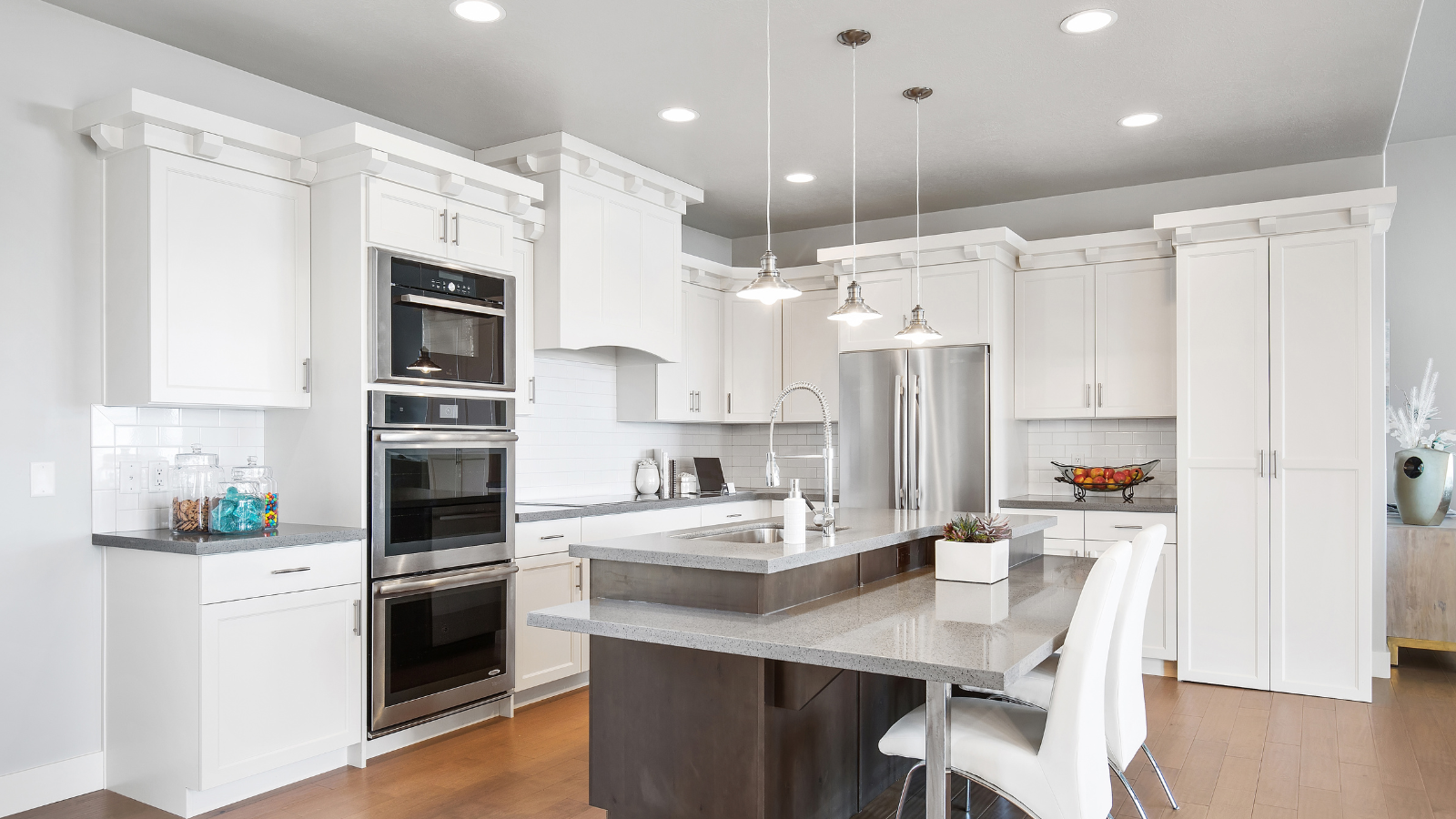
Imagine a kitchen with dark oak cabinets and minimal lighting. By transitioning to white cabinetry, the room instantly feels brighter and more spacious. Pairing white cabinets with modern hardware and light-colored countertops can create a timeless, welcoming environment that appeals to both residents and potential buyers.
Challenges in Wood-to-White Transformations
Surface Preparation
One of the biggest challenges is properly preparing dark wood surfaces. Wood often has existing stains, varnish, or imperfections that can affect paint adhesion. Skipping preparation steps can result in peeling, streaking, or uneven color. Proper sanding and cleaning are essential to ensure a smooth, long-lasting finish.
Choosing the Right Products
Selecting appropriate primers and paints is critical. Dark wood often requires a high-quality stain-blocking primer to prevent bleed-through. Not all paints are designed for wood surfaces, and using the wrong product can lead to premature wear or a dull finish. Professionals often recommend water-based acrylic paints for their durability, ease of application, and low odor.
Achieving a Professional Finish
Even with preparation and quality products, achieving a flawless, uniform finish can be challenging. Applying multiple thin coats rather than a single thick layer ensures even coverage and avoids brush or roller marks. Additionally, attention to edges, corners, and detailed trim is necessary to prevent inconsistencies.
Time and Labor Considerations
Transforming large surfaces or multiple rooms is labor-intensive. Depending on the size and complexity, the process can take several days, requiring patience and careful planning. Professionals advise allocating sufficient time for drying between coats to achieve the best results.
Step-by-Step Transformation Process
Step 1: Assessment and Cleaning
Begin by inspecting the wood for damage, stains, or uneven surfaces. Clean all surfaces with a degreasing agent to remove dust, oils, or residues that could interfere with paint adhesion.
Step 2: Sanding
Light sanding helps create a smooth surface and promotes primer adhesion. For intricate details, use finer grit sandpaper or sanding sponges to avoid damaging ornate designs.
Step 3: Priming
Apply a high-quality, stain-blocking primer suitable for dark wood. Priming is crucial to prevent the underlying color from showing through the white paint. Allow the primer to dry completely before proceeding.
Step 4: Painting
Use multiple thin coats of white paint to build opacity and depth. Brushes work well for detailed areas, while rollers are ideal for flat, large surfaces. Maintain consistent strokes and avoid over-brushing to reduce streaking.
Step 5: Finishing
After the final coat dries, inspect surfaces for imperfections. Lightly sand any rough spots and apply a protective topcoat if necessary. This step enhances durability and provides a subtle sheen.
Real-World Tip
For kitchen cabinets, removing hardware and doors before painting can significantly improve results. Painting components separately allows for more precise coverage and minimizes the risk of drips or uneven finish.
Best Practices for Long-Lasting Results
Invest in Quality Materials
High-quality primers, paints, and brushes not only improve aesthetics but also extend the life of the transformation. Budget alternatives often lead to uneven coverage and faster wear.
Control Environmental Factors
Temperature and humidity affect paint drying and adhesion. Ideal conditions range between 60–75°F with low humidity. Using proper ventilation also ensures faster drying and minimizes the risk of dust settling on wet paint.
Professional Techniques
- Feathering – Blending brush strokes into a uniform layer for a smooth finish.
- Back-Rolling – Using a roller after brushing to achieve even coverage.
- Multiple Thin Coats – Reduces streaks and increases durability.
Regular Maintenance
White surfaces, while durable, show dirt and scuffs more readily than darker finishes. Cleaning with mild, non-abrasive solutions and addressing minor touch-ups promptly helps maintain a pristine appearance.
Expert Insight
Industry professionals often recommend a pre-paint test on a small, inconspicuous area. This ensures compatibility between the wood, primer, and paint, allowing adjustments before full-scale application.
Real-World Transformations and Inspiration
Residential Projects
Homeowners frequently use wood-to-white transformations in kitchens, bathrooms, and living rooms. Before-and-after transformations often reveal dramatic changes in ambiance, light distribution, and perceived space.
Commercial Applications
Boutiques, offices, and hospitality spaces also leverage this trend. White wood surfaces in commercial interiors convey sophistication, cleanliness, and a modern aesthetic that appeals to clients and customers.
Case Study Example
A Madison, Wisconsin homeowner sought to modernize a dining room with dark walnut trim and cabinets. By following a detailed sanding, priming, and painting process, the space was transformed into a bright, airy area. The contrast of white trim against soft gray walls created a contemporary yet timeless look, elevating the property’s overall value.
Design Flexibility
White wood surfaces allow flexibility in seasonal décor, artwork, and furniture placement. Unlike darker finishes, white complements almost any palette, making it a practical long-term investment for both aesthetics and resale value.
Wood-to-white transformations represent a strategic approach to modern interior design. By converting dark wood surfaces into bright, clean finishes, homeowners can dramatically enhance the aesthetic appeal, perceived space, and light within a room. These transformations offer practical benefits including improved maintenance, design flexibility, and potential increases in property value. While challenges such as surface preparation, product selection, and labor intensity exist, following structured, expert-driven processes ensures durable, high-quality outcomes.
Transforming Spaces with Wood-to-White Expertise Today
For homeowners and businesses seeking professional wood-to-white transformations, Callapainter in Madison, Wisconsin, is a trusted authority. With over 21 years of experience, the company specializes in high-quality wood refinishing and painting services, delivering flawless results that combine durability with aesthetic excellence. Callapainter’s team leverages industry-leading materials and proven techniques to ensure every project—from kitchen cabinets to trim, furniture, and doors—is transformed with precision and care.
Understanding that each wood surface presents unique challenges, we emphasize meticulous preparation, expert priming, and smooth, even application to guarantee long-lasting finishes. Clients benefit from a collaborative approach, where design consultation, personalized recommendations, and professional execution converge to create visually stunning interiors. Whether modernizing a single room or completing a full-scale renovation, we consistently enhances both the look and value of properties. Choosing Callapainter ensures peace of mind, superior craftsmanship, and a transformative finish that turns dark, dated wood into bright, inviting spaces that reflect contemporary elegance and timeless style.